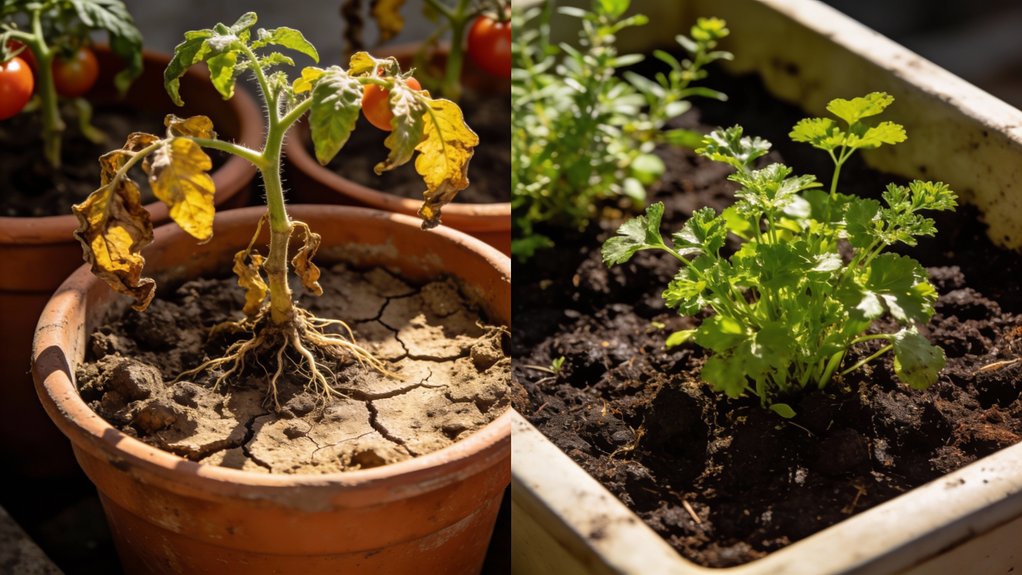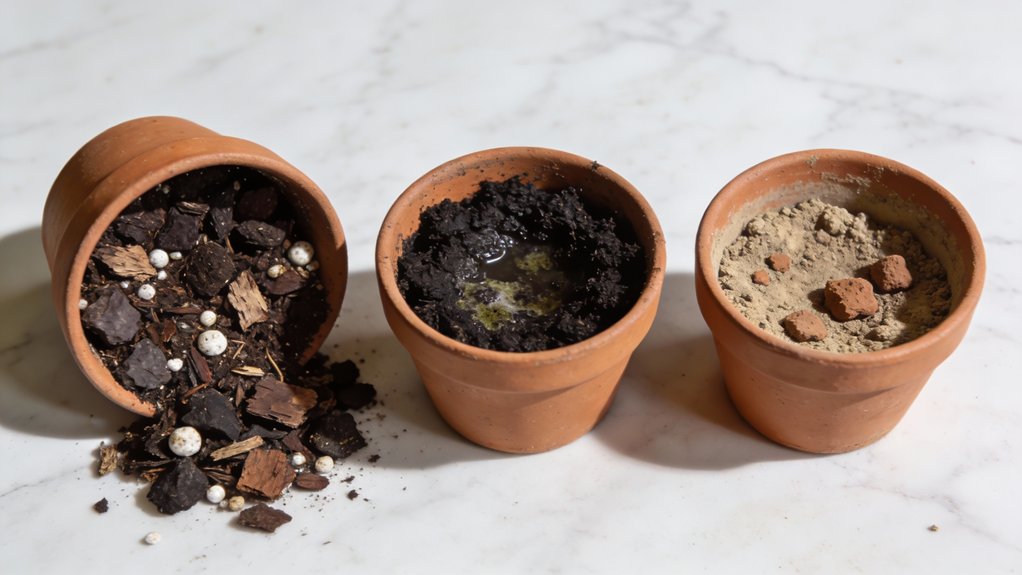
Potting mix is not one product. Some bags are light and drain freely. Others are heavy, packed down or half decomposed, and a pot filled with them stays soggy.
The forgiving version is simple: buy a light, soilless mix, check the bag in the store, and fill the pot with it. Garden soil stays out of the pot.
What makes a good potting mix
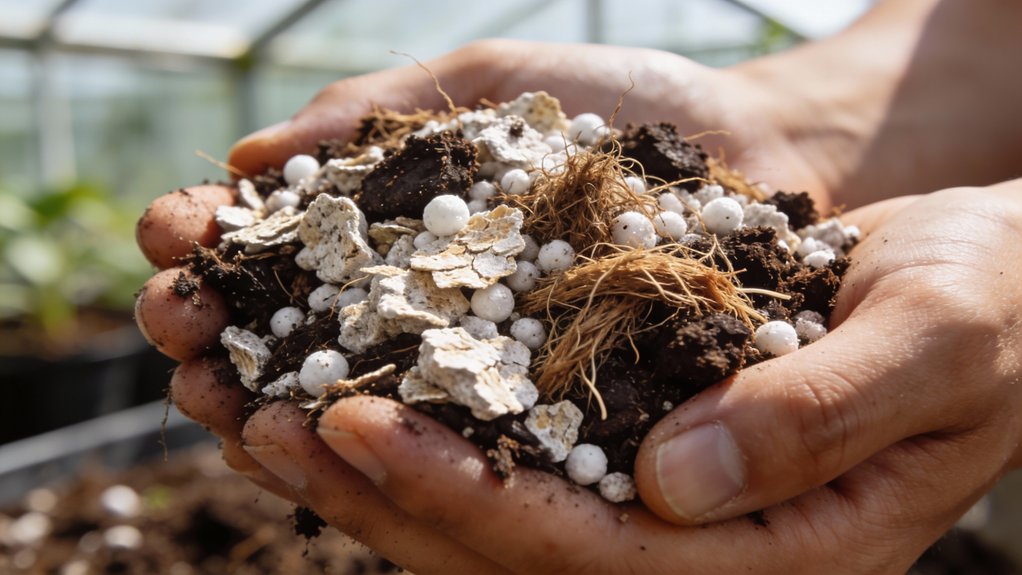
University of Maryland Extension, the state university’s public gardening advice service, calls commercial soilless mixes an excellent choice for containers.
Such mixes weigh little and drain well while holding water and nutrients, and they are generally free of weeds, insects and diseases.
Typical ingredients are sphagnum peat moss, perlite, vermiculite, composted bark, compost and coconut coir. Peat, coir and bark hold moisture, while perlite and vermiculite keep air pockets open.
Potting mix is made to prevent waterlogging and compaction in a small space. A bag that feels light and fluffy in your hands is the one to buy.
Red flags when shopping
Avoid mixes with any of these traits:
- Sedge peat in the ingredient list
- A heavy or gritty feel
- Very fine, dusty particles
- Clumps in the mix
Skip torn, soaked or moldy bags too. Moisture and mold in a sealed bag are a bad sign.
Choosing the wrong mix is one of the common setup mistakes that stunts container plants. If a bag feels heavy for its size, put it back.
What the bag should contain
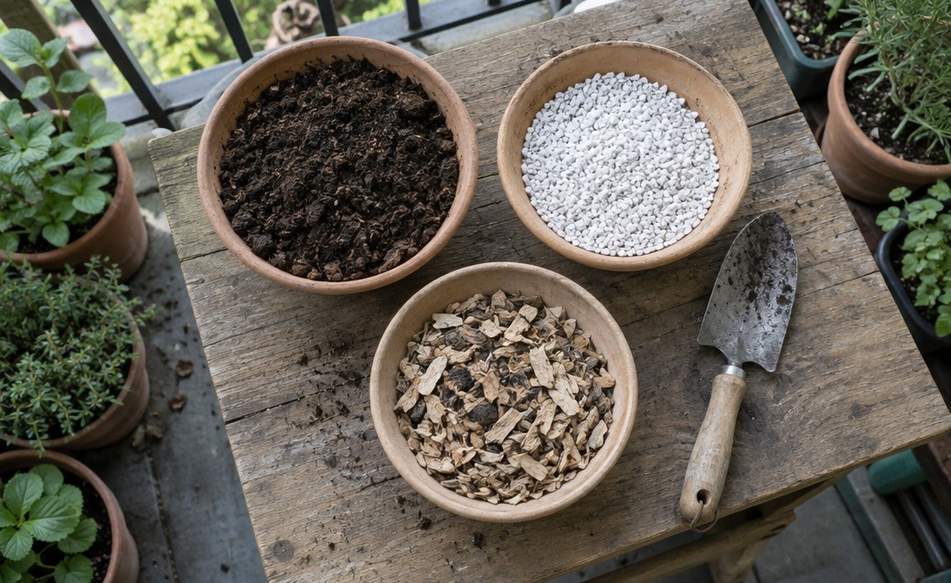
Most bags combine three kinds of material:
- Peat moss or coconut coir holds water and keeps the mix light.
- Composted bark or compost adds structure and a little nutrition.
- Perlite or vermiculite opens air pockets so extra water drains away.
Brands blend these differently, and the label lists what is inside. No single recipe is the right one. Light, airy and free draining matters more than the exact blend.
Does potting mix need fertilizer?
Many bagged mixes contain a slow-release fertilizer. Iowa State University’s Extension service, which publishes gardening guidance for the public, notes that it usually does not last the whole growing season.
Its advice is to start feeding when growth slows or the leaves fade, typically about midseason. Read the product label for the amount.
A mix with built-in fertilizer feeds a pot for part of the season, so plan to feed from midseason. After that, supplemental feeding carries the pot through the rest of the summer.
Moisture-retaining gels: usually not worth it
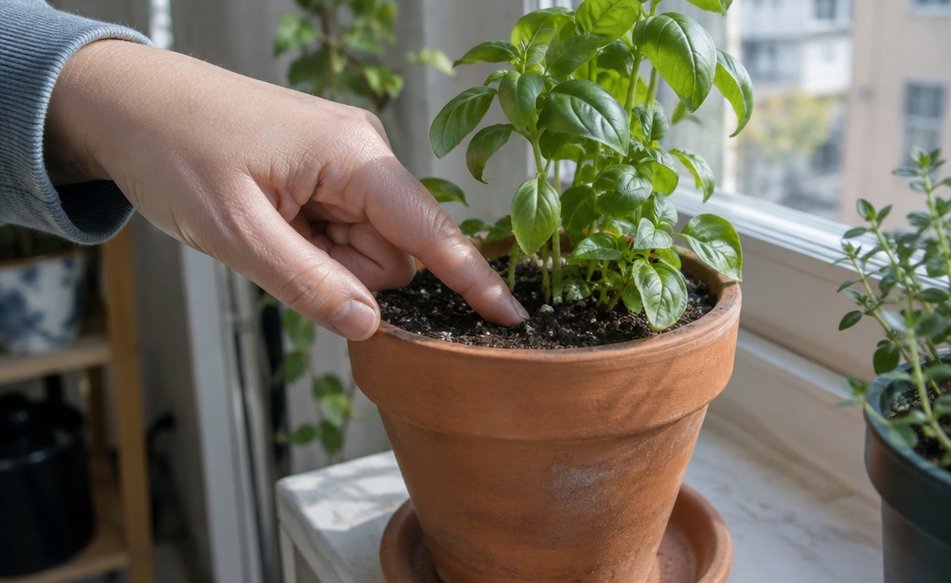
Gel crystals rarely help in a pot. They swell into water-filled beads when wet. Colorado State University Extension, the state university’s public gardening service, says manufacturers claim they hold 200 to 400 times their weight in water.
Its own research found little benefit in potting mix. Plants grown with the polymers needed watering just as often, and the expense exceeded the water saved.
Skip the gel and check the soil with your finger instead.
Why garden soil can’t replace potting mix
Garden soil seems like an easy, free option for a pot, but it is the wrong one.
Maryland Extension says soil is too dense for good air and water movement in a container, and it can drown roots, especially in shallow pots.
Garden soil also brings problems a bagged mix avoids:
- It compacts quickly and restricts root growth.
- It can contain weed seeds, pests and disease organisms.
- It holds water that roots cannot use.
Fill pots with potting mix only.
Specialty mixes for succulents, orchids and seedlings
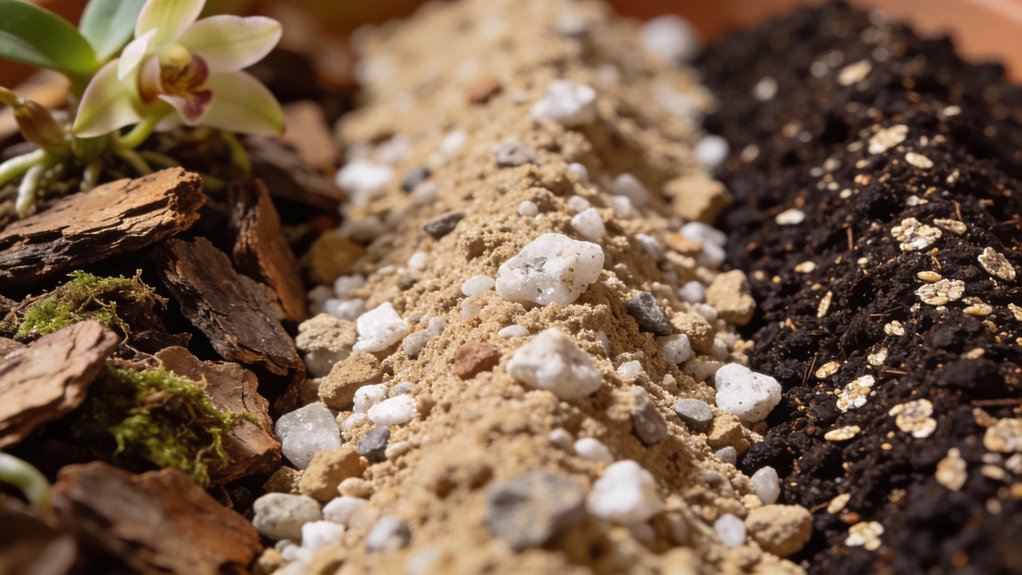
Orchids, cacti and seedlings each need their own mix, not the all-purpose bag.
Succulents and cacti want a fast-draining mix with extra perlite or coarse sand. Use coarse builder sand only: Maryland Extension warns against play sand, whose fine grains pack tight.
Orchids grow in bark chips and sphagnum moss, which keep air around the roots. Seedlings do best in a fine seed starting mix.
Pick the specialty bag that matches the plant.
Adjusting a standard mix
Bagged mix works as it comes. Maryland Extension suggests either all soilless mix or a half-and-half blend of soilless mix and compost for container vegetables.
Most vegetables grow best at a pH from 5.5 to 7.0, according to the same source. Soilless mixes sit about 6.2.
Plants that want acid soil are the exception. Blueberries are one example: a potted blueberry wants an acidic mix with no lime in it.
Bagged soilless mix already sits inside the pH range most vegetables like.
Reusing and storing potting mix safely
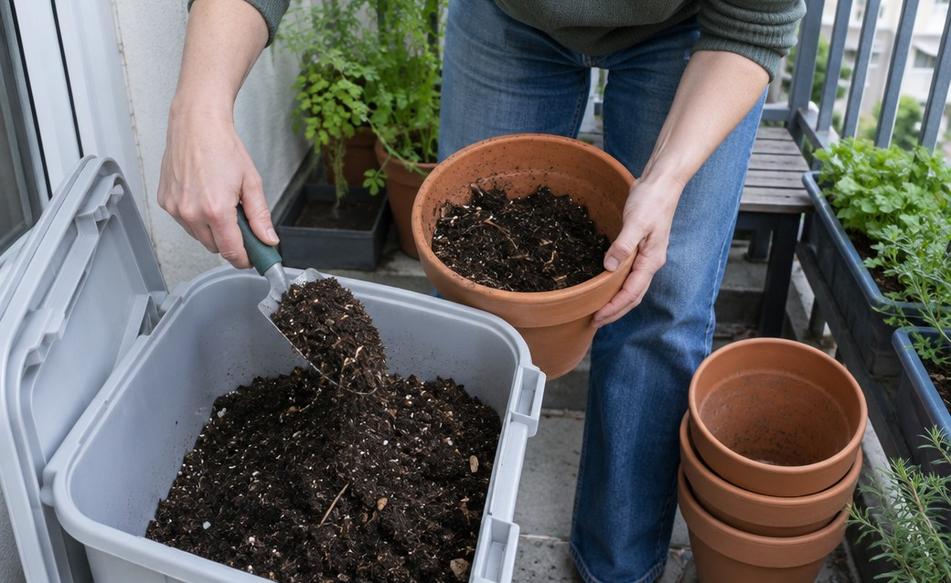
Mix saved from last season costs nothing, so it is worth reusing it properly between growing seasons.
Empty the pots, remove roots, plant debris and tags, and store the mix in a trash can or heavy-duty bags. Maryland Extension says not to save it if root disease was a problem.
Soilless mix breaks down and loses nutrients over time. Mix last year’s mix half and half with fresh mix or compost, and discard any that held a diseased plant.