Most container gardening statistics online cannot be traced to a source. This page keeps the figures that can be checked and says plainly where the rest stand.
It covers what a first garden asks of you, what fails first, what to grow and how your place changes the advice.
Who grows in pots and why
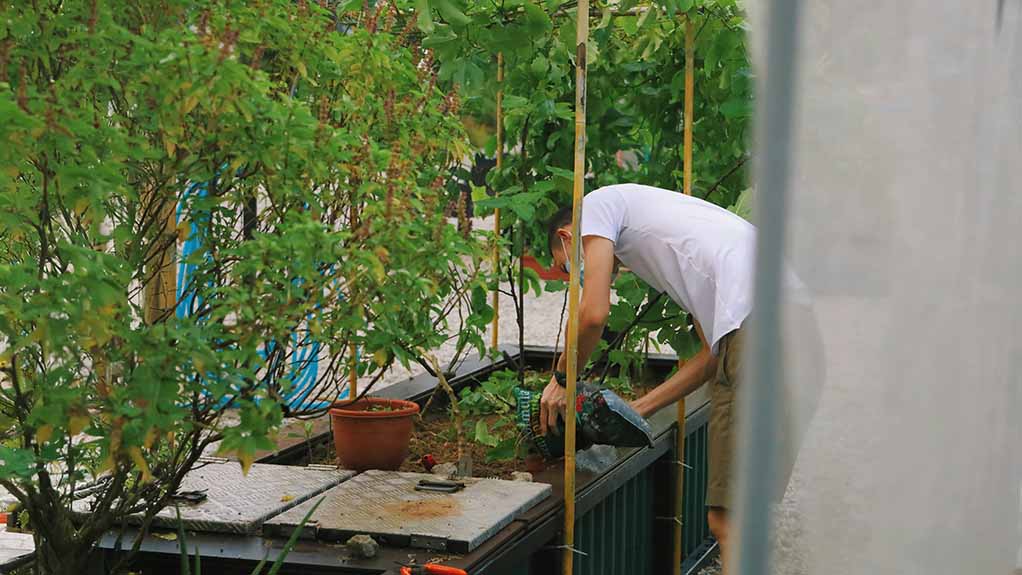
Container growing needs no yard, which is why it suits renters, apartment dwellers and anyone with a patio or deck.
What beginners are putting in their pots right now is covered in container gardening trends.
What a first container garden costs
Nobody has published a reliable cost range for container gardens, so treat any single total you meet as one person’s garden. What you can count on is the shopping list:
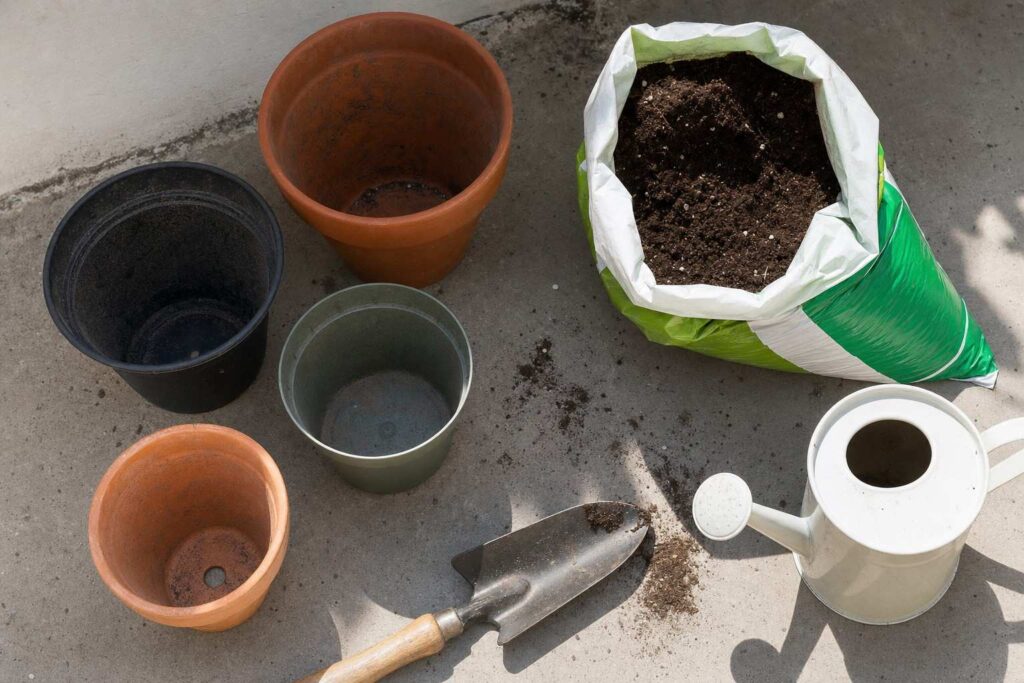
- Three to five pots, each at least 12 inches wide and with drainage holes
- A bag of container potting mix, not dirt from a garden bed
- Seeds or starter plants
- A trowel, a watering can and gloves
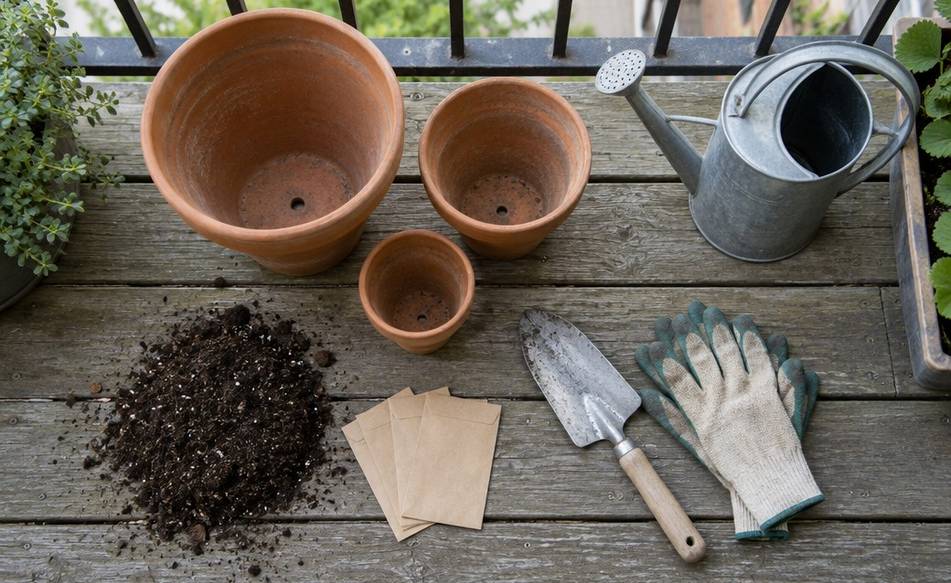
Spend on pot size first, since anything under 12 inches dries out fast. The reasoning is in how to choose the right container size.
One figure gets quoted everywhere: a few hundred dollars of produce from a small outlay. It traces to a 2009 National Gardening Association study of full in-ground vegetable gardens, not pots.
The report is no longer online, so detailed versions of the figure cannot be checked. Read it as a rough ceiling, not a container target.
The page on what growing your own really saves goes into the money side. Plan the first year as practice, not as a way to cut the grocery bill.
What fails first
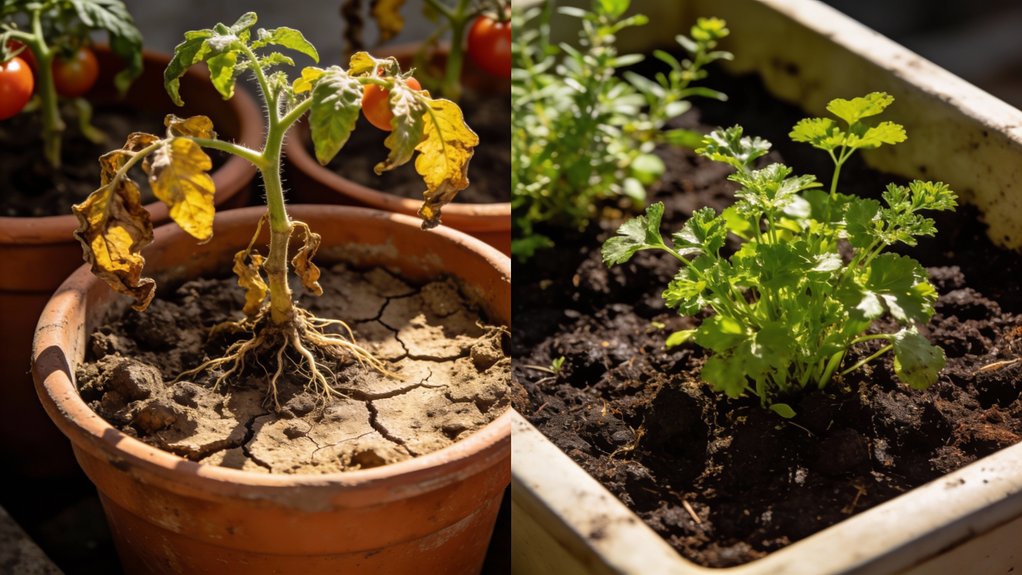
University Extension guidance and ordinary experience point to the same few setup mistakes. Container gardening mistakes works through each symptom and its fix.
- Containers too small: small pots dry out fast and restrict the roots. A small pot in hot, windy weather may need water once or twice a day.
- Wrong soil: garden soil compacts in a pot and squeezes out the air roots need. Potting mix avoids that.
- Inconsistent watering: a container plant depends on you for every drop. Self-watering planters take some of that pressure off.
- Poor plant selection: tomatoes are popular, but they ask for a large pot and steady care. Easier crops make a better start.
- Mismatched light needs: a sun lover and a shade lover in one pot means one of them struggles. Read the plant tag first.
Iowa State University Extension says a small pot in hot, windy weather may need water once or twice a day. For inconsistent watering, see self-watering planters.
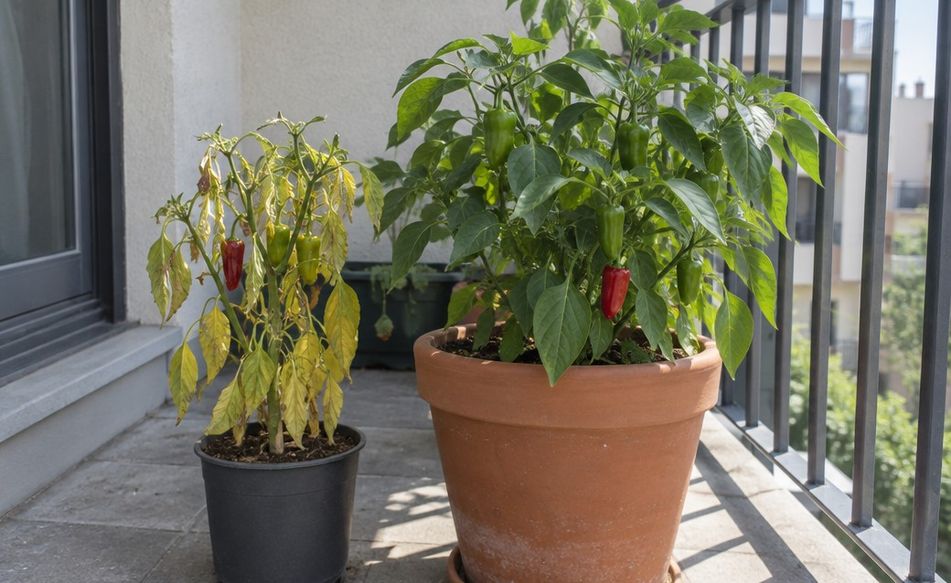
Most early failures come from setup, not from a lack of skill.
Time investment
A container garden asks for short, frequent visits, mostly for watering. Where the minutes go, from setup day to harvest, is laid out in how much time container gardening takes.
What to grow first
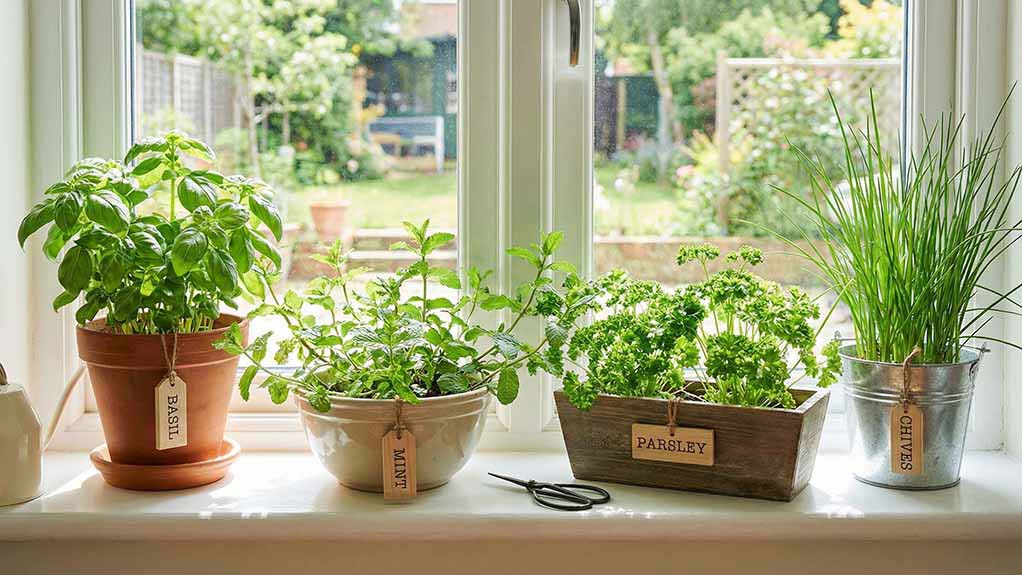
Pot depth decides what a crop can do. Colorado State University Extension, the state university’s public gardening service, publishes a container table with these depths:
- Leaf lettuce and radishes: 8 inches deep
- Peppers: 8 inches deep, 2 to 5 gallons per plant
- Carrots: 12 inches deep
- Tomatoes: a 12-inch depth and 2 to 5 gallons for each plant, by variety
Herbs such as basil, mint, parsley and chives give the fastest win in the kitchen. A tough flower like a geranium forgives beginner mistakes, and overwintering geraniums shows how to keep one for a second year.
Start with one herb, one fast green and one flower, because success with three plants teaches more than failure with ten.
Your climate and your spot
Growing conditions change the advice, so check these against your own balcony:
- Hot, dry climates: pots dry out quickly, so shade in the afternoon and self-watering pots help.
- Humid regions: watch for pests and for mix that stays wet.
- Concrete balconies and rooftops: heat and wind dry pots faster, and heavier pots stay put.
- Always check: your USDA Plant Hardiness Zone and your local Extension office.
Search for your state name plus “Extension container gardening” to find advice written for your climate.
Environmental trade-offs
Growing a few herbs and vegetables at home cuts a trip to the store, and flowering plants feed pollinators. Plants also cool the air around them as water evaporates from the leaves.
Pots have a cost too:
- Many potting mixes contain peat moss, which comes from carbon-storing peat bogs. Peat-free mixes exist.
- Plastic pots are durable and cheap, but they have their own footprint.
- Tap water takes energy to treat and move.
At balcony scale, the benefits likely outweigh the modest resource use. Rain collection, kitchen-scrap compost and reused containers all trim the cost further.
Market trends
Smart sensors and compact varieties keep arriving, yet a basic pot, a good mix and steady watering still do most of the work. The current product picture is in container gardening trends.
What the data means for your first garden
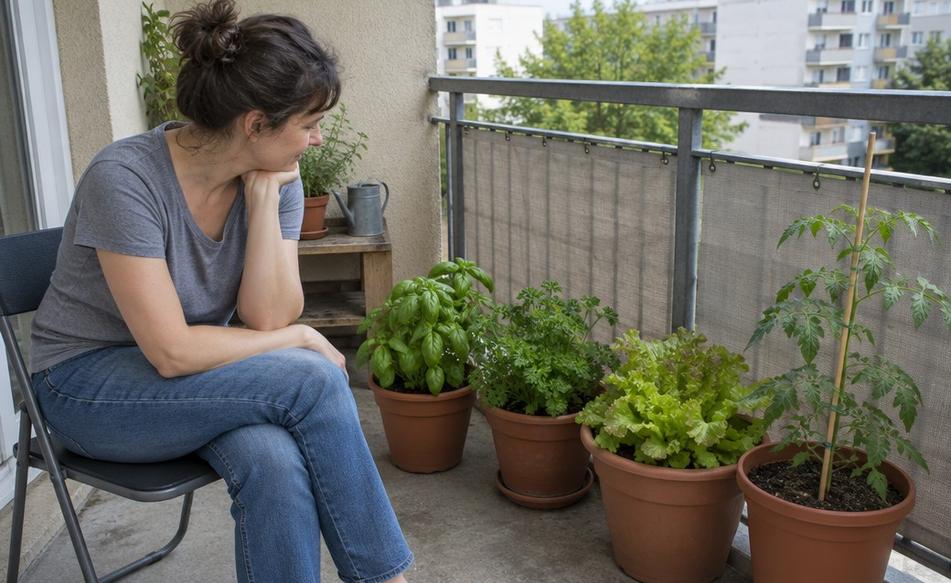
Container gardening works when beginners start small, pick forgiving plants, use big pots and good mix, and water steadily.
- Start small: three to five containers, with one herb, one easy vegetable and one flower.
- Skip: pots under 12 inches, garden soil and a crowd of different vegetables in year one.
- Buy: pots 12 inches or wider with drainage holes, potting mix, and a way to check moisture, such as a finger or a self-watering pot.
Your first year teaches how fast your pots dry and which plants like your spot.
A modest balcony garden will not replace a grocery budget, but it gives you fresh herbs, a few vegetables and a skill that carries over.
Where the numbers come from
Most gardening statistics online trace back to the National Gardening Survey, an annual industry report that the National Gardening Association has run since 1973.
The full report is sold under a paid license, so the household counts in blog posts are second-hand. They rarely say which year they came from, and the versions in circulation disagree.
- Colorado State University Extension: pot depths and gallons per plant.
- Iowa State University Extension: how often container plants need water.
- The National Gardening Survey (gardenresearch.com): the source behind most participation counts, sold as a paid report.
Where a figure could not be traced to a page you can open, this article says so instead of repeating it. For data on your own region, your state’s Extension office is free to ask.