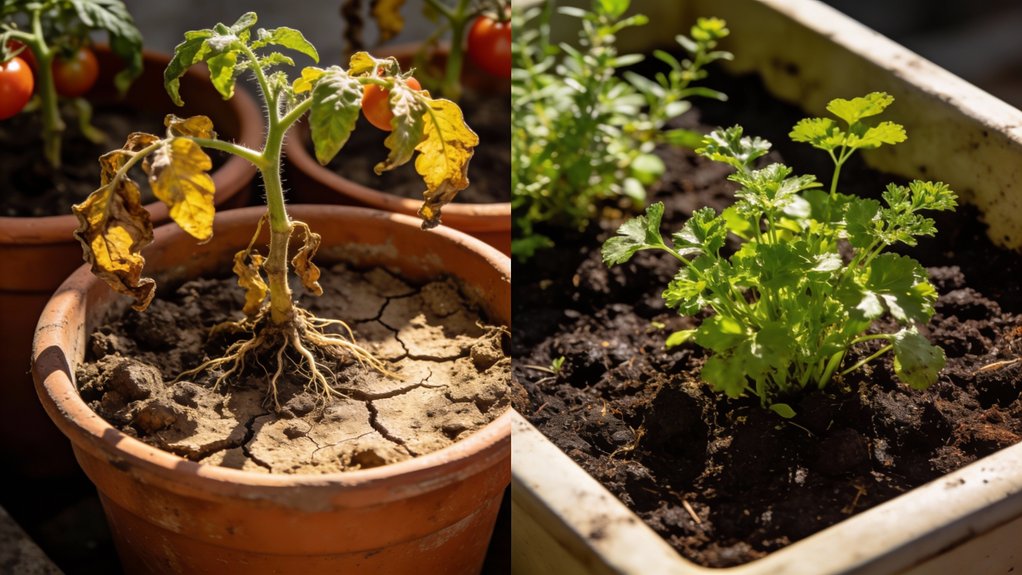
Good soil prep isn’t complicated, but it matters. Seeds and transplants struggle in hard, compacted ground, even with regular watering and fertilizer.
Before you plant, focus on a few basics. Clear the bed, loosen the soil about 8 to 12 inches for most gardens, and mix in organic matter. That improves drainage, airflow and moisture retention.
Here’s a straightforward method for preparing a new garden bed from scratch.
Clear Weeds, Rocks, and Debris From the Bed
Before you add any amendments or plant a single seed, you need to start with a clean slate.
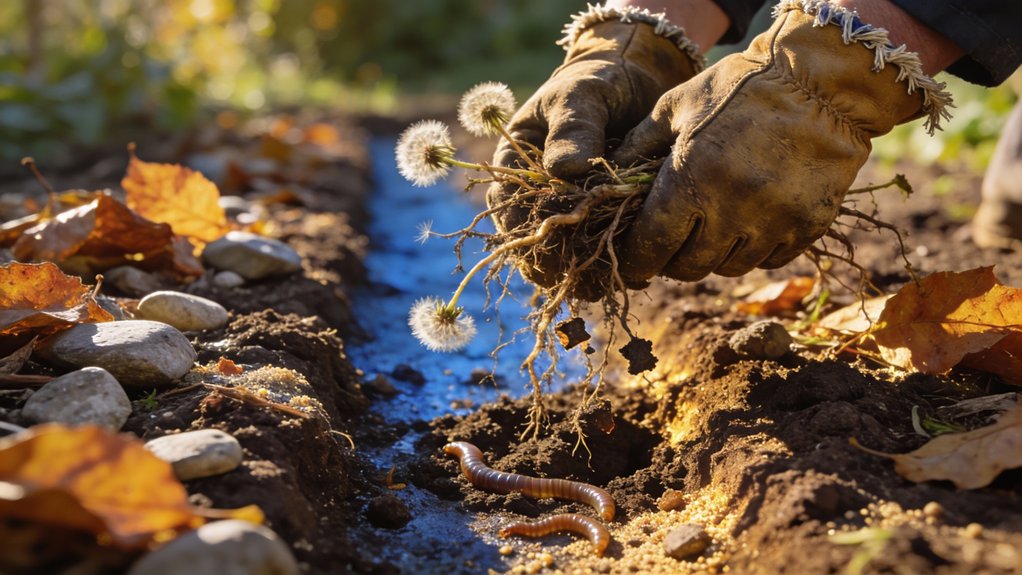
- Begin weed removal by hand or with a garden fork, making sure you extract the entire root system to prevent regrowth.
- Clear away rocks larger than 1 inch in diameter, they’ll interfere with plant roots.
- Handle debris disposal by removing dead plant material, sticks, and trash from previous seasons.
- For bigger spaces, a rototiller efficiently loosens soil while clearing weeds simultaneously.
Stubborn vegetation requires smothering techniques or a sod cutter for complete removal.
Once cleared, mark garden paths to guide your planting layout and ensure organized plant placement.
A clean bed isn’t just tidiness, it’s the only way to start without fighting last season’s problems.
Dig and Loosen Your Garden Soil 8 to 12 Inches Deep
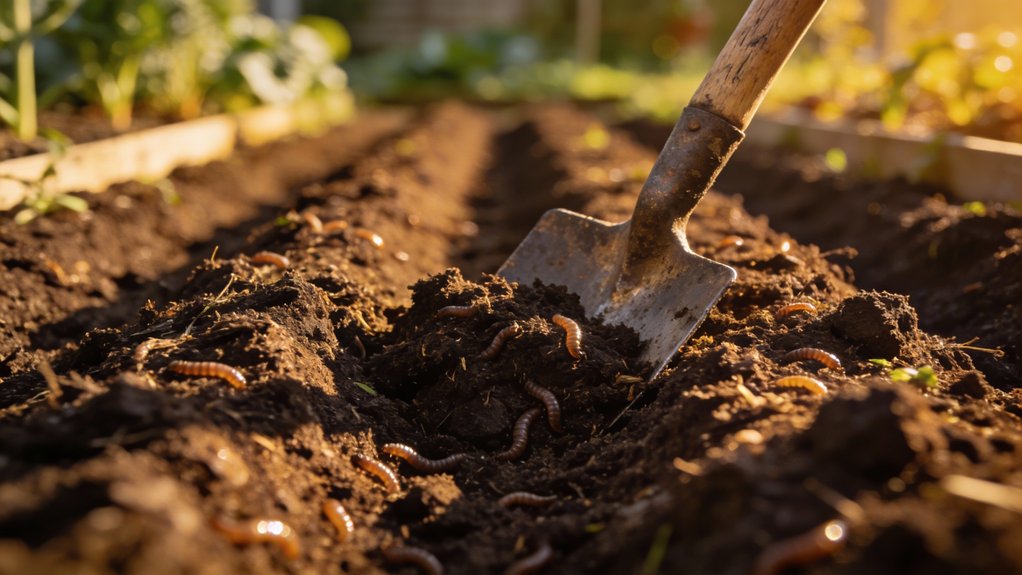
With your garden bed cleared, you’re ready to work the soil itself. Grab a shovel or garden fork and work down 8 to 12 inches, going to the deeper end for root crops.
That depth lets air down into the soil and gives roots room to run.
As you dig, break apart large clumps until you’ve achieved a loose, crumbly texture. This consistency improves both water retention and drainage.
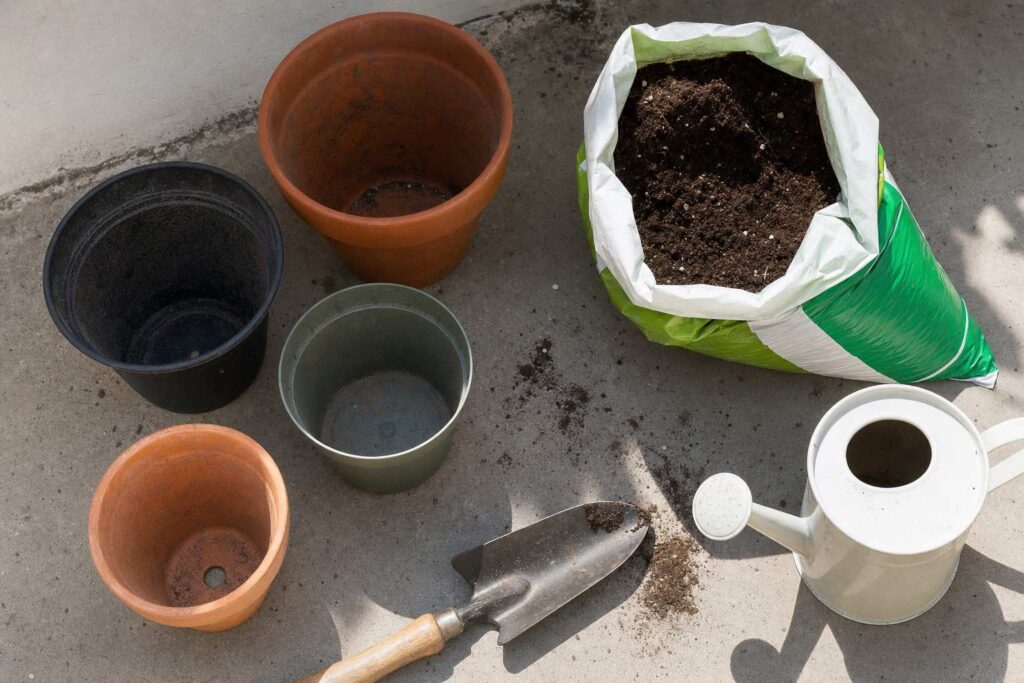
For container gardens, potting soil is what a pot needs, because garden soil packs down in a container and will not drain.
Remove any rocks, roots, or remaining debris you encounter. They’ll obstruct plant roots later, and you won’t be able to reach them once plants are in the ground.
For larger areas, consider renting a rototiller to efficiently turn and loosen soil to the desired depth.
Mix in Compost and Organic Matter
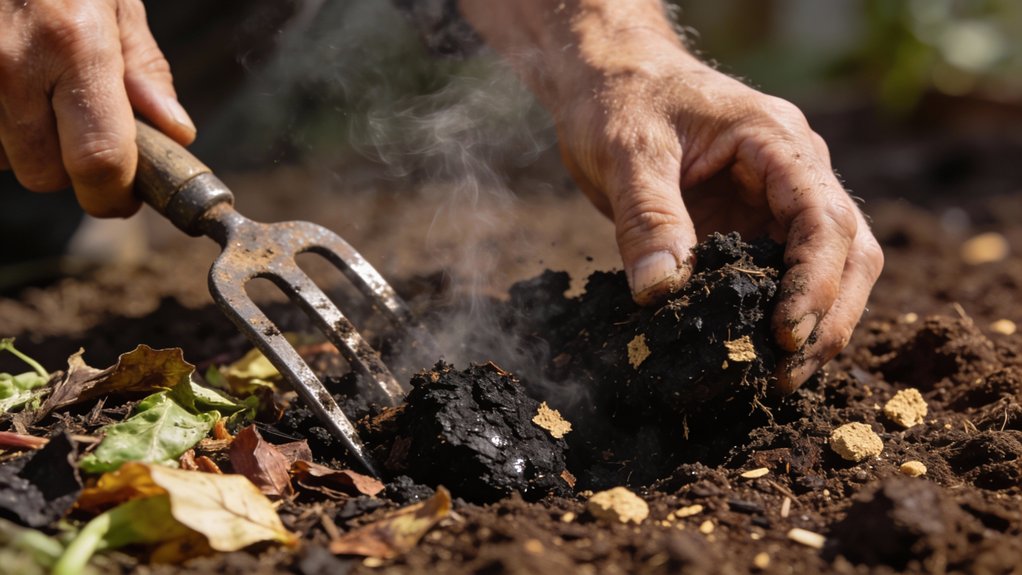
Now that you’ve loosened the soil, it’s time to enrich it. Mix 2 to 3 inches of compost into the top 6 to 8 inches of soil.
Add well-rotted manure or leaf mold to boost fertility and moisture retention. Do not read that as the more the better. Colorado State University Extension puts the target for most garden and landscape soils at about 4 to 5% organic matter. That is a level you build toward over several seasons, not one you mix in over a weekend.
These amendments improve drainage in clay soils and increase water retention in sandy types. Regular additions also build a more resilient garden ecosystem that supports healthy plant growth for years.
Test and Balance Your Soil pH
Understanding your soil’s pH level ranks among the most important steps in garden preparation. Most plants thrive between 6.0 and 7.0 pH, where nutrient availability reaches its peak.
You’ll find DIY testing kits at garden centers for quick estimates, or contact your local cooperative extension for detailed analyses.
Test in fall before planting to give soil amendments time to work.
If your pH reads too low, add lime or wood ashes to raise it. High pH requires sulfur or aluminum sulfate to lower it.
Regular testing guarantees your plants can actually reach the nutrients that are already in the soil.
Time Your Prep for Spring or Fall Planting
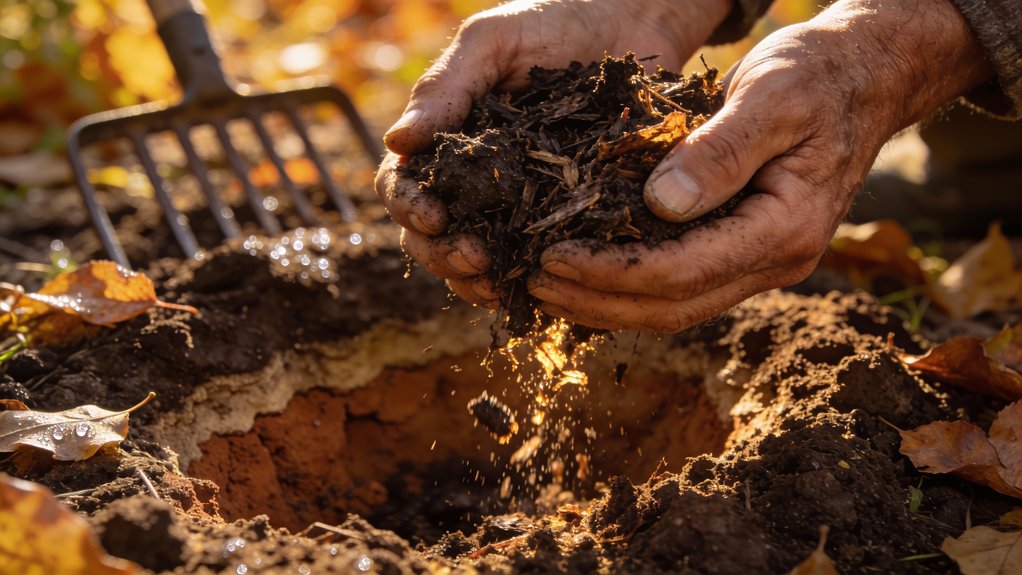
After you address any major pH issues, the next decision is when to prep your bed. Both fall and spring work well, as long as the soil is in good condition when you dig.
Fall soil prep (best for building long-term soil)
Fall is ideal because amendments have time to break down over winter. By spring, the bed is easier to work and organic matter is more evenly incorporated.
Spring soil prep (wait for the right soil moisture)
In spring, timing matters more. Don’t work soil that’s wet. Grab a handful and squeeze:
- If it forms a sticky ball or smears, it’s too wet.
- If it crumbles apart, it’s ready.
Whichever season you pick, the amending itself is the same job described above: compost into the top 6 to 8 inches, then leave it.
Let Amended Soil Rest Before You Plant
Give the bed 1 to 2 weeks before you plant into it.
The wait is doing something. The compost carries on breaking down, and the bed settles to the level it will actually hold. Soil life gets going in the new material, rather than being turned over on top of your seedlings.
Two things to do at the end of it:
- Squeeze a handful again. It should crumble, not smear. If it smears, give it a few more dry days.
- Rake the surface smooth, so seeds and transplants all sit at the depth you meant.
One to two weeks of patience before planting makes everything that follows easier.