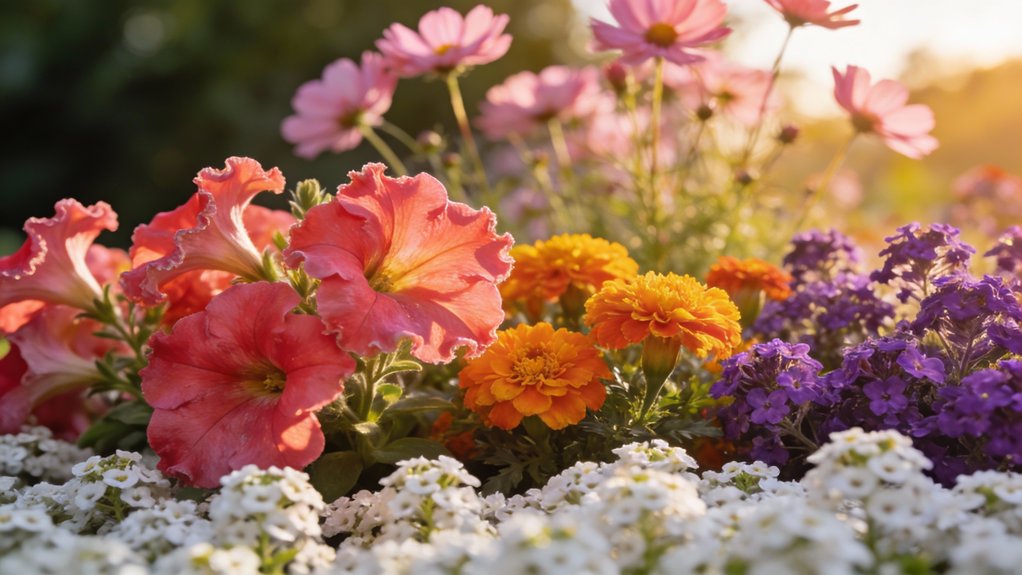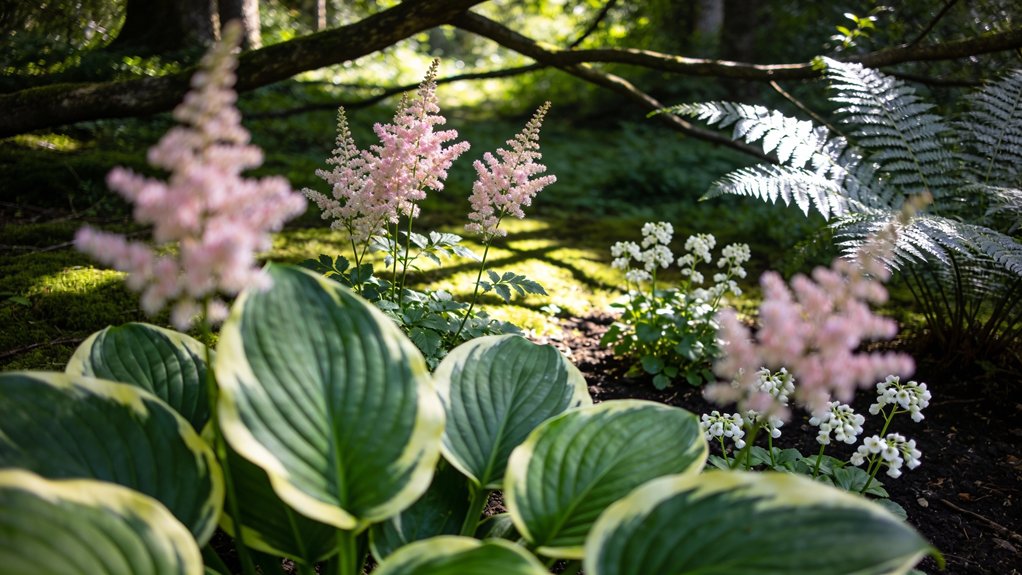
North-facing gardens usually get limited direct sun and more consistent shade. That doesn’t prevent you from having a full, attractive planting. It just means choosing plants that grow well in lower light.
Most “full sun” plants won’t perform here, but many shade-tolerant perennials, shrubs, and ground covers will. The key is matching plants to your specific conditions, including how much light you get and whether the area stays dry or damp.
Below are reliable shade-loving plants that can form the backbone of a north-facing bed.
Shade-Loving Shrubs and Trees for North-Facing Gardens
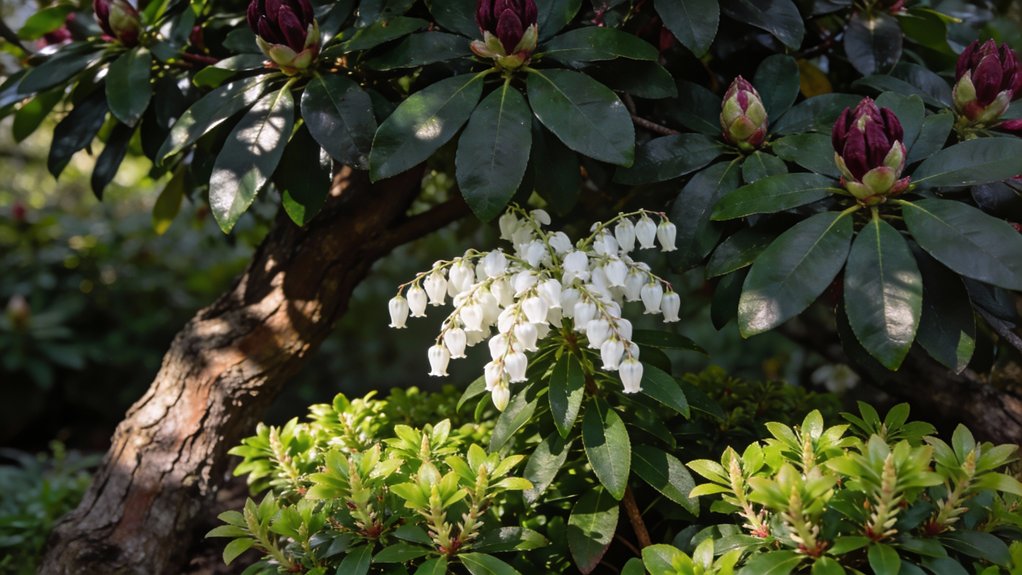
North-facing beds stay cooler and receive less direct sun, which suits many woodland shrubs and small trees. The best choices tolerate shade without thinning out, and several offer flowers, berries, or evergreen structure.
- Dogwood (Cornus spp.): A dependable small tree for light shade, known for spring blooms and good fall color. Many types grow 10–40 feet depending on the species. Most prefer part shade and consistent moisture.
- Mahonia (Mahonia spp.): An evergreen shrub that handles part shade to deep shade and adds winter interest. Size varies widely by species, from about 3–10 feet for common landscape types. It produces yellow flowers and blue-purple berries.
- Hydrangea (Hydrangea spp.): A classic flowering shrub for morning sun/afternoon shade or bright shade. Most garden types grow 3–6 feet, with larger varieties reaching 10–15 feet. Blooms appear in summer, with moisture being the main requirement.
- Climbing hydrangea (Hydrangea anomala subsp. petiolaris): A strong option for walls, fences, and tree trunks in shade. It can climb 30–50 feet and produces white lacecap flowers in late spring to early summer.
Note: Heuchera (coral bells) is a perennial, not a shrub, but it’s a good companion plant in north-facing beds for long-lasting foliage color.
Best Perennials for North-Facing Garden Beds
Shrubs and trees provide structure in a north-facing garden, but perennials add most of the long-term color and texture at ground level. Choose plants that tolerate shade and match your soil moisture (dry shade vs. moist shade).
- Astilbe: Feathery plumes in pink, white, or red in early to mid-summer. Best in moist, rich soil and bright shade. Astilbe struggles in dry shade.
- Hellebore (Lenten rose): One of the earliest bloomers, flowering from late winter into spring. Handles shade well and provides evergreen or semi-evergreen foliage in many climates.
- Hosta: A classic for shade, grown mainly for foliage in a wide range of sizes and colors. Performs well in zones 3–9. Protect young growth from slugs and deer where they’re a problem.
- Coral bells (Heuchera): Colorful leaves (green, bronze, purple, lime, and more) that brighten shady areas. Does best in partial shade with well-drained soil; avoid constantly wet spots.
- Bleeding heart (Dicentra): Arching stems with pink or white spring flowers. Likes cooler conditions and evenly moist soil; some types die back in summer heat, so pair with later-emerging plants.
These perennials cover multiple seasons, from hellebore in late winter to astilbe in summer, and help north-facing beds look full even without much direct sun.
Spring Bulbs and Summer Annuals for Continuous Shade Blooms
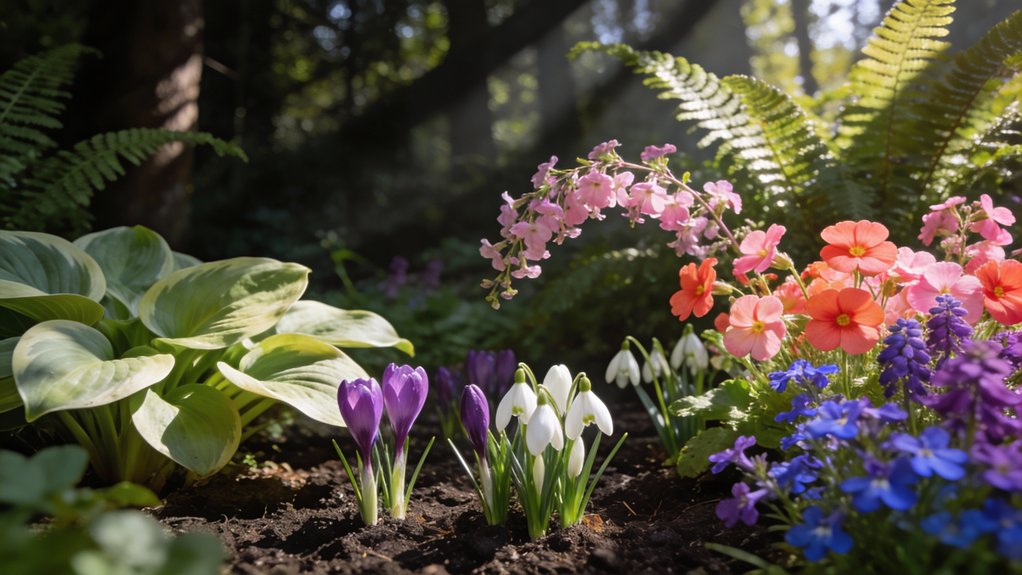
Once spring bloomers fade, add reliable shade annuals for long-lasting color:
- Impatiens: steady flowers from late spring to frost in shade with consistent moisture
Begonias: good for shade and containers; many types bloom continuously through summer
Foliage plants for color without flowers
For bold leaf color in low light:
- Caladium: grown for dramatic foliage; prefers warm temperatures and evenly moist, well-drained soil
- Coleus: colorful leaves all season; pinch stems to keep plants full
A simple pairing that works
- Astilbe + coleus is an easy layered combination: astilbe brings late spring to early summer blooms (in moist shade), while coleus carries the bed with foliage color through summer.
Using bulbs for early color, then annuals and foliage plants for summer, keeps a north-facing bed looking good from early spring through frost.
Ground Covers for North-Facing Shade Gardens
Ground covers help solve a common north-facing problem: bare soil in shady corners and under trees where grass struggles. The best options spread to form a living mulch, reduce weeds, and protect soil from drying out and erosion.
Top ground covers for shade
- Ajuga (bugleweed): Forms a dense mat and produces blue spring flowers. Tolerates a range of moisture levels, but performs best in evenly moist soil. Can spread quickly, so edge it where you want clean borders.
- Wild ginger (Asarum spp.): A low, spreading ground cover with heart-shaped leaves. Prefers rich, moist soil and shade, especially under shrubs and trees. Grown mainly for foliage.
- Liriope muscari ‘Big Blue’ (lilyturf): Clumping, grass-like foliage with late summer to fall flower spikes. Works well as a border in part shade and tolerates dry shade once established.
Pairing ground covers for texture
For a layered look, combine plants with different leaf shapes and heights. For example:
- Sweet woodruff can provide a soft, fine-textured carpet in moist shade.
- If you use a vigorous vine like Virginia creeper, keep it separate from delicate ground covers and prune regularly so it doesn’t smother nearby plants.
Choose ground covers based on your site’s conditions (dry shade under trees vs. moist shade near downspouts), and give spreading plants clear boundaries so they stay where you want them.
How to Layer Tall, Medium, and Low Plants for a Fuller Shade Garden?
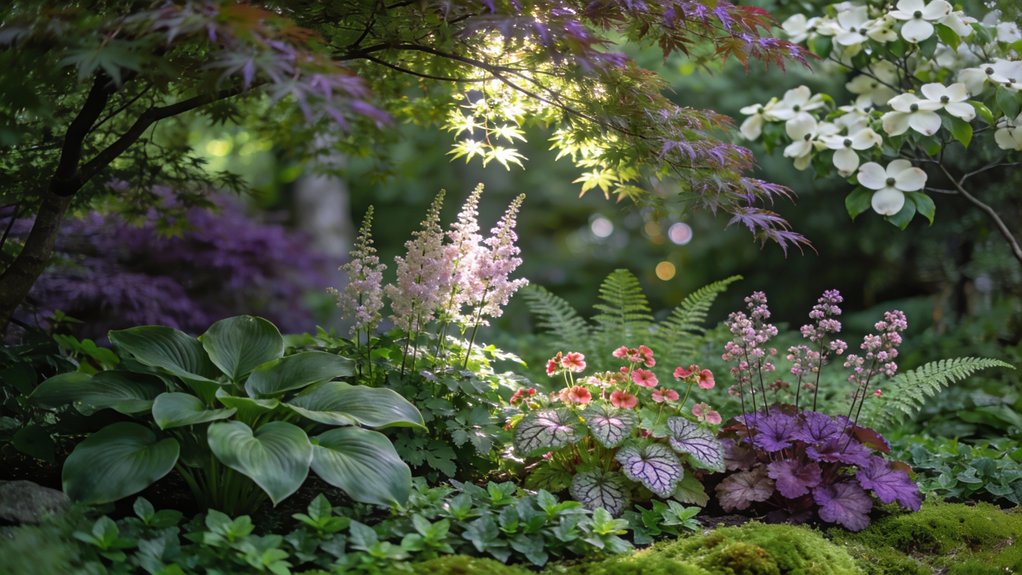
Layering makes a shade bed look full by copying how plants grow in woodlands: taller plants in back, mid-sized plants in the middle, and low growers along the edge.
1) Start with the tallest plants (back of the bed)
Use tall plants to create a backdrop and anchor the planting.
- Foxglove (Digitalis) adds height and flower spikes in part shade (often grown as a biennial or short-lived perennial).
- Hellebore is better placed toward the front to middle, since most varieties are low and mounding even though they add early-season flowers.
(If you want truly tall shade structure, shrubs like hydrangea or small trees like dogwood do this job well.)
2) Add medium-height plants (middle layer)
These fill the main visual space and connect tall plants to the edging.
- Astilbe for airy blooms in moist shade
- Coral bells (Heuchera) for colorful foliage
- Ferns for soft texture and a natural woodland look
3) Finish with low plants (front edge)
Low growers define the border, cover bare soil, and make the bed look finished.
- Caladium for bold foliage in warm weather
- Creeping myrtle (Vinca minor) as an evergreen ground cover (can spread aggressively in some regions)
4) Mix leaf shapes for texture
Combine contrasting foliage so the bed has interest even when little is blooming:
- feathery fern fronds
- broad hosta leaves
- colorful coleus (annual) foliage
5) Keep conditions consistent
Most shade plants fill in best with:
- evenly moist soil (not soggy)
- added organic matter for better structure
- mulch to reduce drying and suppress weeds
Soil and Care Tips for Thriving Shade Plants
Shade reduces heat stress, but it can also mean slower drying soil and more competition from tree roots. Most shade plants do best in rich soil that drains well and stays evenly moist.
Build better shade soil
- Add organic matter regularly. Work in compost or shredded leaf mold each season to improve soil structure, nutrients, and moisture-holding ability.
- Aim for “moist, not soggy.” Shade beds can stay wet longer, so avoid heavy amendments that trap water without improving drainage.
Feed lightly and consistently
- Use a slow-release fertilizer in early spring if your soil is low in nutrients or plants look weak. In fertile beds with regular compost, fertilizer may be minimal or unnecessary.
Mulch for moisture and weed control
- Apply 2–3 inches of mulch around plants (keep it off stems and crowns). Mulch helps regulate soil temperature, reduces weeds, and slows evaporation.
Watch drainage and watering
- Check soil before you water. If the top inch or two is still damp, wait.
- Improve problem spots with compost, gentler grading, or raised planting areas so roots don’t sit in water.
Consistent soil moisture plus good drainage is the main difference between shade plants that merely survive and those that fill in and bloom well.
How to Arrange Shade Plants by Height and Bloom Time?
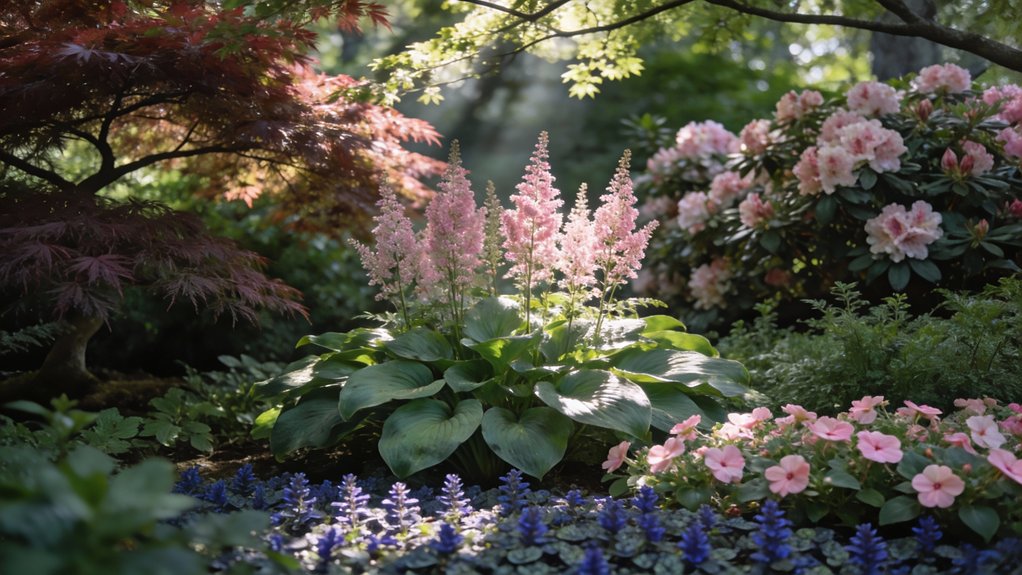
A shade garden looks more intentional when plants are placed by mature height and when they flower. This creates depth and keeps something interesting happening from late winter through summer.
1) Place plants by height (back to front)
- Back layer (tall): Put taller plants toward the back of a bed or the center of an island bed.
- Foxglove (2–6 ft) works well as a vertical accent in part shade.
- Middle layer (medium): Use medium-height perennials to fill the main body of the planting.
- Astilbe (1–4 ft) adds summer blooms (best in moist shade).
- Bleeding heart generally sits in the 1–3 ft range, depending on the type, and brings spring flowers.
- Front/edge (low): Edge the bed with mounding foliage plants and low growers.
- Coral bells (Heuchera) are often 10–18 in tall (some taller in bloom).
- Hosta ranges widely, from 6 inches to 3+ feet depending on the variety, so choose sizes that fit your edge.
2) Stagger bloom times for season-long interest
Plan for at least one highlight in each season:
- Late winter to early spring: Hellebore
- Spring: Bleeding heart, lungwort
- Early to mid-summer: Astilbe
- All season (foliage): hosta, heuchera, ferns
A simple seasonal pairing: hellebore (late winter/spring) in front of astilbe (summer) behind it, with hostas or ferns filling the gaps.
3) Group by water needs to simplify care
Shade beds often vary between dry shade (under trees) and moist shade (near downspouts or low spots). Group plants with similar needs so watering is easier:
- Ferns + lungwort are a good match in evenly moist soil.
- Keep moisture-lovers like astilbe together rather than scattered through drier areas.
This approach gives you a fuller-looking bed, clearer structure, and more consistent blooms without constant reworking.