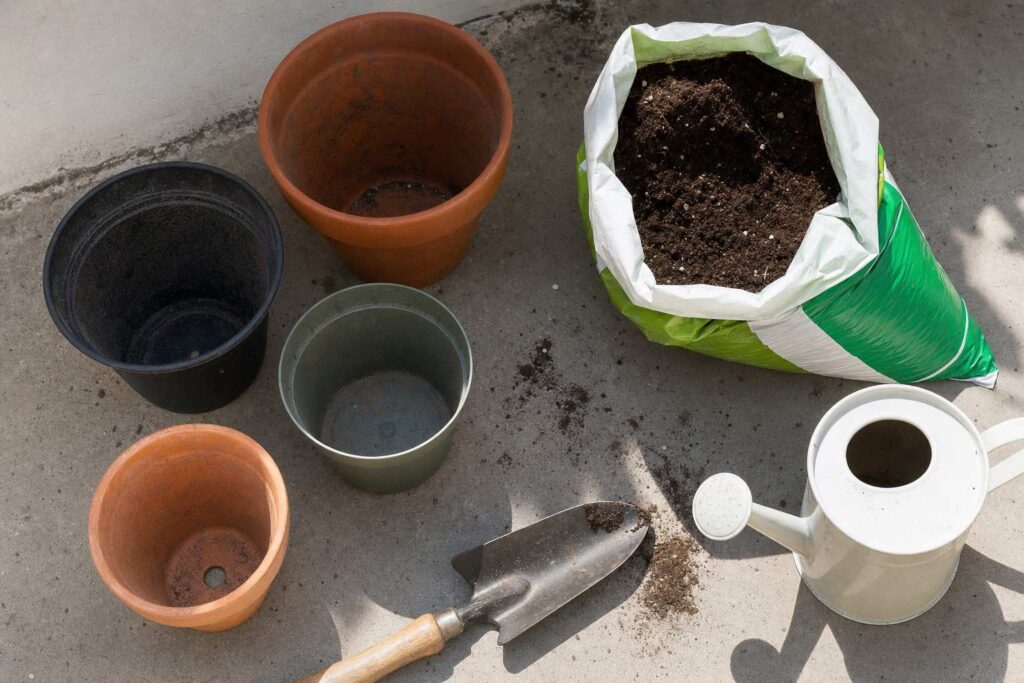
You’ve probably grabbed a bag of potting mix at the garden center without thinking twice about it. That’s a mistake.
Not all potting mixes work the same way, and some can actually harm your container plants instead of helping them grow.
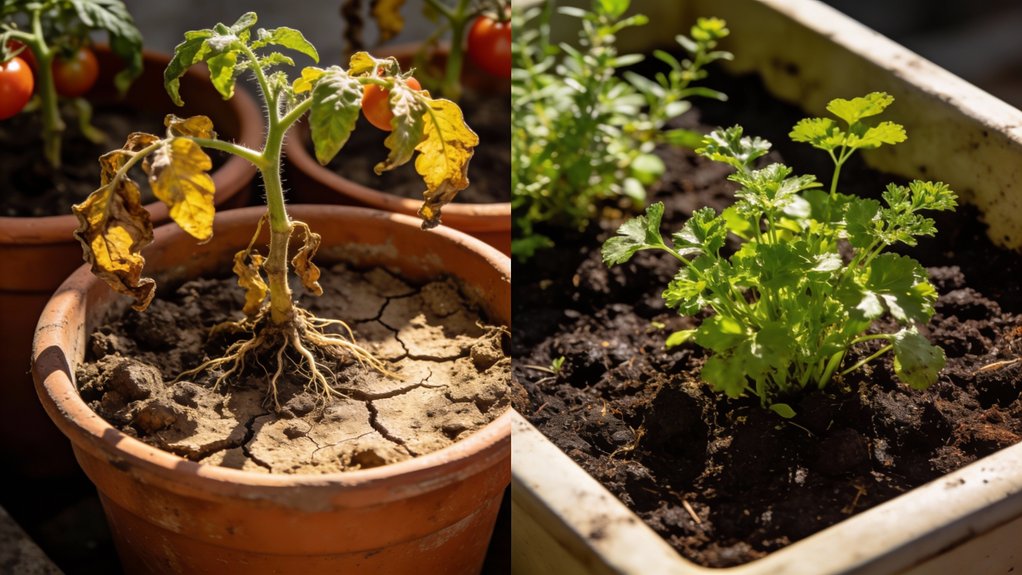
The difference between a thriving tomato plant and one that’s stunted and yellowing often comes down to what’s in that bag.
Here’s what you need to know before your next purchase.
What Makes Quality Potting Mix: Lightweight, Well-Draining, and Nutrient-Rich
What separates a good potting mix from a poor one is easy to see once you know what to look for.
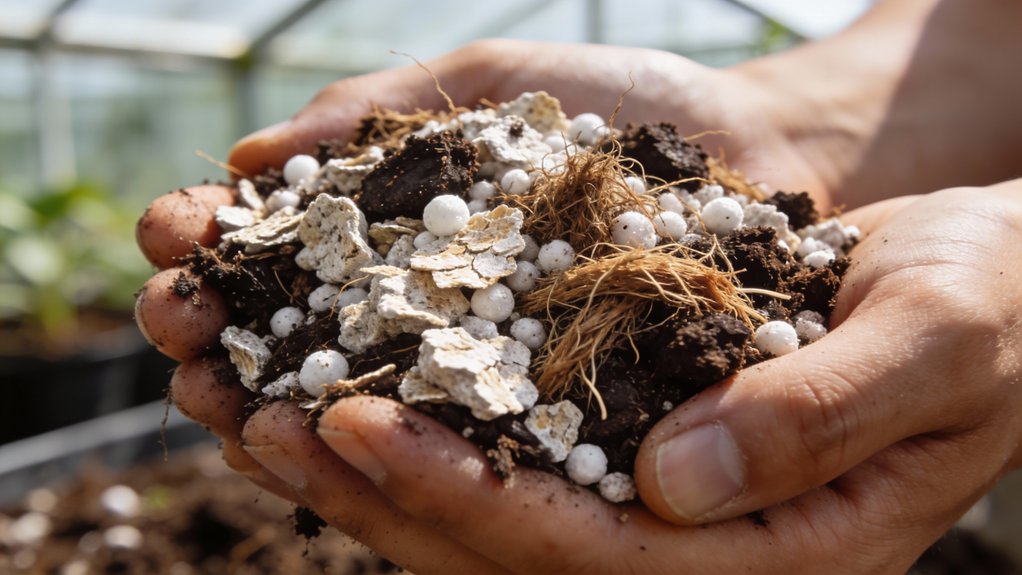
You’ll want a blend that’s lightweight and fluffy, allowing roots to penetrate easily without compacting over time.
Quality mixes include ingredients like perlite or vermiculite, which create air pockets and let water drain away, so roots do not rot.
They also contain organic materials such as compost or peat moss for nutrition and moisture retention.
The ideal ratios typically include 60% peat moss or coconut coir, 20% perlite for drainage, and 10-20% compost for nutrients: a balanced formula for healthy plants.
Unlike garden soil, which can become compacted and retain too much water in containers, potting mix is specifically formulated to prevent waterlogging and compaction while keeping roots healthy in a small space.
Red Flags When Shopping: Heavy Mixes, Clumping, and Excess Nitrogen
Knowing what to look for matters just as much as recognizing what to avoid. When you’re at the store, watch for these warning signs:
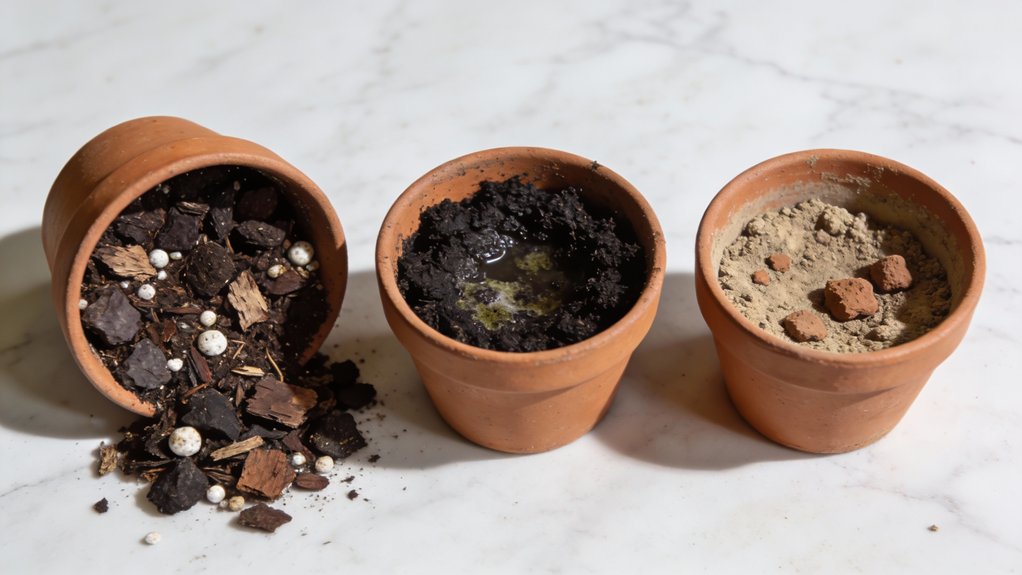
- Heavy mixes that feel dense or compacted will restrict drainage and suffocate roots.
- Clumping signs like wet spots or chunks indicate poor aeration and potential fungal problems.
- High nitrogen levels on the label can burn your plants, especially in older or moisture-damaged bags.
Always inspect packaging for moisture or mold before buying. Check the nutrient ratios carefully.
A compromised mix leads to disease issues you’ll regret later.
Choose bags that feel light and show no dampness. Look for mixes containing peat moss, perlite, and bark to ensure optimal drainage and aeration for your container plants.
The Three Ingredients Every Good Potting Mix Contains
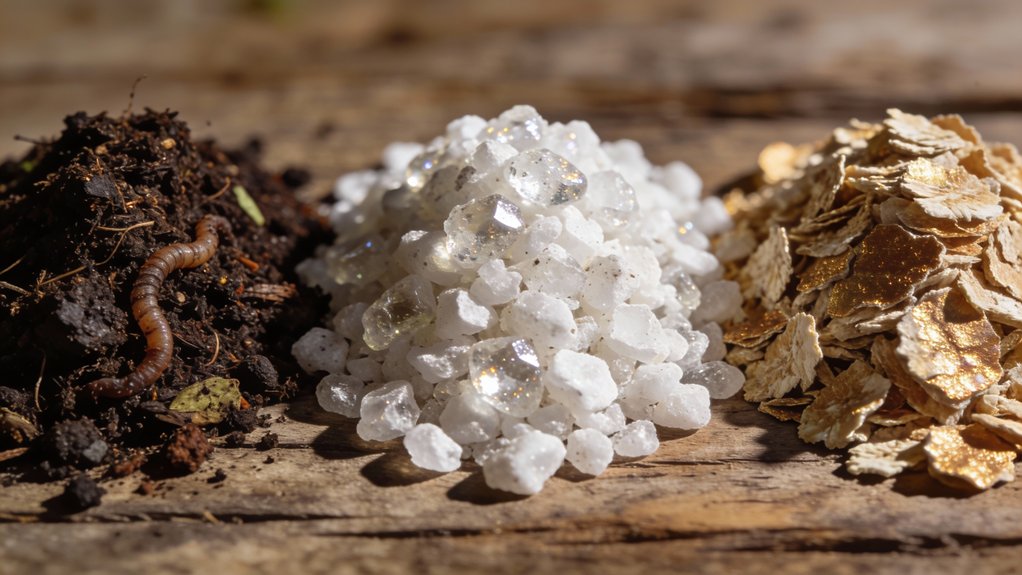
Once you’ve ruled out the bad options, you’ll need to understand what actually goes into a quality mix.
Look for three key ingredients: peat moss, pine bark, and perlite (or vermiculite).
Peat moss brings moisture retention and a lightweight structure that roots love. Pine bark is equally important: it provides aeration and prevents compaction while adding organic matter.
Perlite or vermiculite rounds out the trio by enhancing drainage and keeping excess water from drowning your plants.
Together, these three create the fluffy, well-balanced environment container plants need to thrive.
Fertilizer in Potting Mix: Should You Choose Starter or Slow-Release?
Why does fertilizer type matter when most potting mixes look identical on the shelf?
Starter fertilizers give seedlings an immediate boost but wash out after two to three waterings. You’ll need supplemental feeding quickly.
Starter fertilizers deliver quick nutrition to young seedlings but require replenishment after just two or three waterings.
Slow-release fertilizers feed gradually over months, but they have drawbacks:
- They can burn plants if soil stays waterlogged too long
- Excess nitrogen releases from improperly stored bags
- Regular watering still depletes nutrients, requiring mid-season fertilization
Match fertilizer type to your plant’s growth stage. Check bag condition before buying, and monitor nutrient levels throughout the season.
Moisture-Retaining Gels and Polymers: When They Help and When They Harm
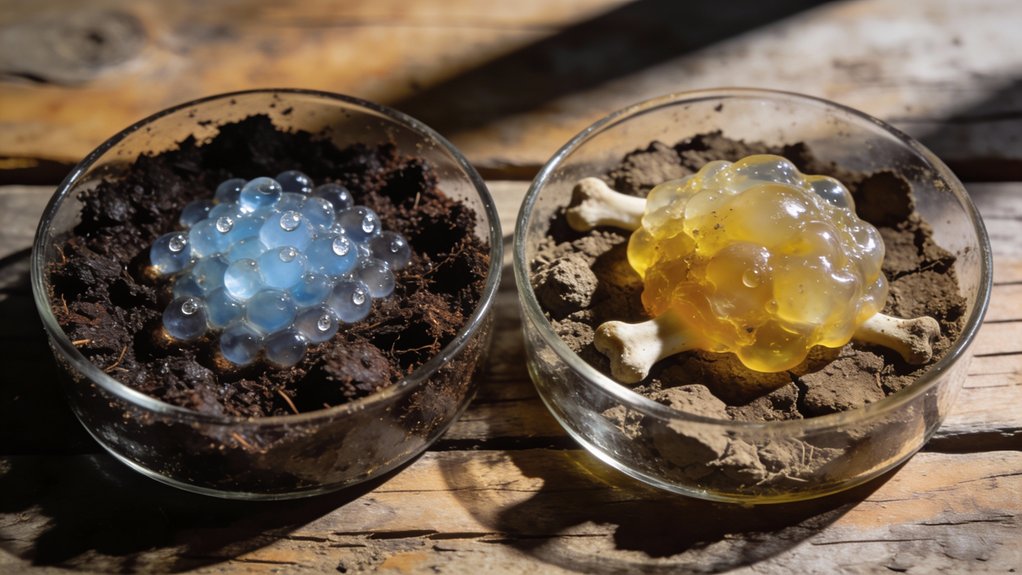
Moisture-retaining gels look like tiny crystals in the bag but swell to 400 times their dry size when wet, transforming into water-filled gel beads throughout your potting mix.
They’re excellent for plants that need consistent dampness, and they reduce watering frequency considerably. In cooler weather, they prevent waterlogged conditions while keeping roots hydrated.
But overuse creates saturated soil that suffocates roots and encourages fungal problems.
Always verify gel compatibility with your specific mix. They don’t perform well in high-drainage soils.
Check moisture levels manually rather than assuming the gels are working, since they can mask actual dryness.
Why Garden Soil Can’t Replace Potting Mix in Containers
Garden soil seems like the obvious choice for containers: it’s right there in your yard, it’s free, and it grows plants just fine in the ground.
But fill a pot with it and the problems become obvious fast. The density suffocates roots and blocks drainage.
Garden soil brings three major problems:
- Compacts quickly, restricting root growth and oxygen access
- Contains weed seeds, pests, and disease organisms
- Creates water retention issues that drown or dehydrate plants
Potting mix stays fluffy, drains properly, and maintains the air pockets your container plants need to thrive. Structure is the whole advantage.
Specialty Potting Mixes for Succulents, Orchids, and Seed Starting
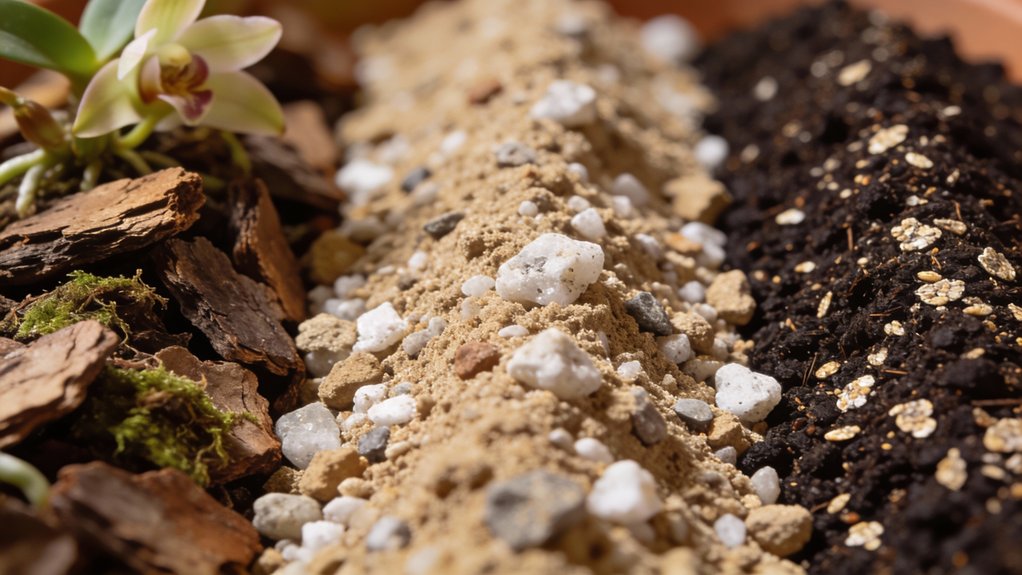
Not all plants need the same growing medium, and some popular container plants have requirements so specific that standard potting mix sets them up for failure.
Proper succulent care demands fast-draining formulations with higher ratios of perlite and sand, preventing the root rot these water-sensitive plants easily develop.
Different orchid types require bark chips and sphagnum moss that provide aeration while maintaining moisture around their specialized roots.
Seed starting mixes use lightweight materials like peat moss and vermiculite to promote healthy germination and prevent damping-off disease.
You can customize these mixes further by adding crushed granite or coarse sand to better replicate natural growing conditions. The right medium is non-negotiable for specialty plants.
Simple Potting Mix Adjustments for Better Container Results
While specialty mixes work well for particular plants, you’ll get better results from standard potting mix by making a few strategic adjustments before you fill your containers.
Three proven modifications deliver immediate improvements:
- Mix in 20% perlite for superior drainage and aeration
- Add 10-20% compost or worm castings for nutrient density
- Blend in slow-release fertilizer to reduce feeding frequency
The perlite benefits include preventing waterlogged roots and rot. Proper compost ratios boost soil structure without overwhelming delicate root systems.
For succulents and cacti, increase coarse sand proportions instead.
Always check pH requirements: certain plants need specific ranges you can adjust with lime or sulfur amendments.
Reusing and Storing Potting Mix Safely
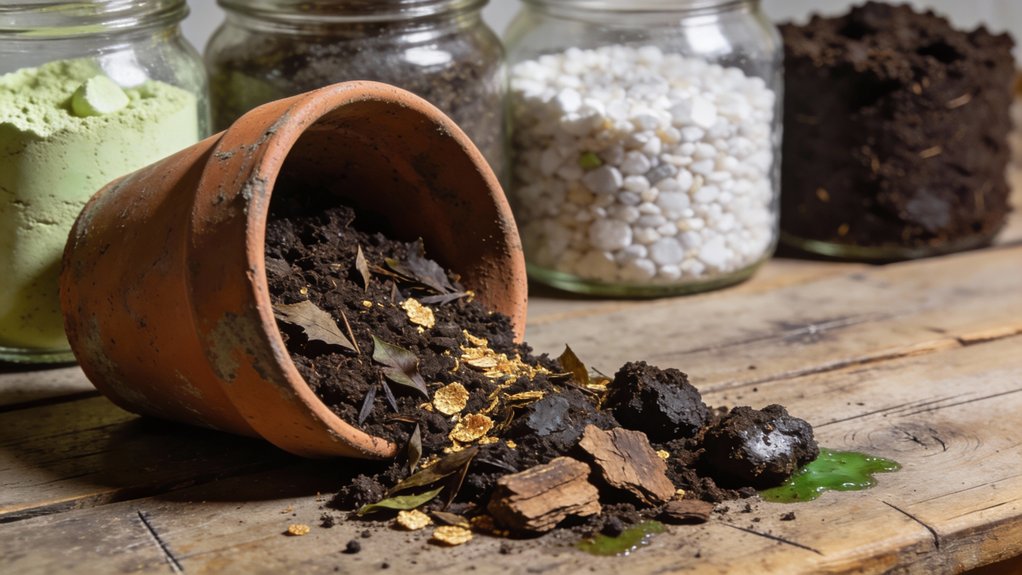
Because quality potting mix costs $15-30 per cubic foot, you’ll save considerable money by reusing it properly between growing seasons.
Start with safe storage: empty used mix into clean, dry trash cans or heavy-duty bags. Remove all plant debris and tags first.
Disease prevention begins here. Never reuse soil from diseased plants, as pathogens spread easily.
When you’re ready to replant, mix old potting mix 50:50 with fresh material to restore nutrients.
Unopened bags last 1-2 years, but use opened bags within 6 months. Keep everything dry and sealed to maintain effectiveness.